Showing posts with label about our farm. Show all posts

Thursday, June 17, 2010

CSA Season is Starting

Welcome to the 2010 Lida Farm CSA season! This is our 5th season operating a CSA in the Pelican Rapids area, so we should know what we're doing at this point!

If you've come to this blog looking for news from the farm this spring and past winter, you've been sadly disappointed since I write little in the off season. But now that produce is coming in expect an entry every week about the going-ons at the farm, what's in season and in the CSA box, and my general musings about small farms and the like. We also highlight a recipe each week which features a veggie in season.

Overall spring has been good as we get ourselves organized for summer. Spring is a time we ramp up on projects we just can't pull off in July or August when we get on a treadmill of plant, harvest, wash and repeat.
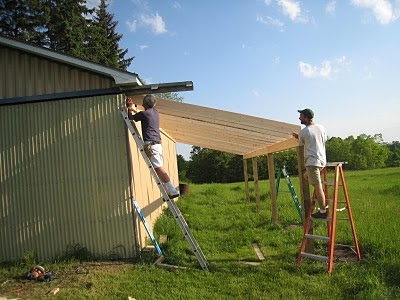
For example, This year we offered a chicken share where people pre-arranged whole broilers which we'll deliver late summer or early fall. Now that we've promised all these people some 250 chickens, we actually need to raise them. Part of that is giving them a place to live, so my carpenter father-in-law Don and I have been diligently building a lean-to off the side of our woodshed (mainly Don...he's the professional. I just haul tools and stuff for him). It still needs some tin for the roof, but the hard part is done we hope. As you can see from the picture, the lean-to juts into our pasture, so, when the chicks arrive they will have easy and free access to grass and pasture.

In the box:
Salad Mix
Napa Cabbage
Spinach
Baby Bok Choy
Strawberries
Daikon Radish


Catalina Dressing
Taken from the U of M nutrition program that Maree teaches at Pelican Rapids Elementary

Ingredients:
2/3 cup canola oil (or other vegetable oil)
1/2 cup sugar or equivalent sugar substitute
2/3 cup ketchup
1/2 cup lemon juice
1/2 teaspoon garlic powder
1/2 teaspoon onion powder
Mix all ingredients well. Store in refrigerator.
Serving Size: 2 Tablespoons

Sunday, May 24, 2009

Planting Sweet Corn with Holland Transplanter


This video shows our transplater and how we get most of our planting in the ground in the spring. The transplanter makes really light work of many plants...could you imagine planting 1300 tomato plants by hand? With this Holland Transplater you can put all of them in an afternoon.

We got ours from a family by Viroqua Wisconsin where they used to grow a lot of tobacco before the quota buyout. Since tobacco has to be set in the ground as a plant as opposed to a seed and often the farms are small, you'll find a lot of transplanters in areas where tobacco is grown, but not many up in northern Minnesota. Typically people don't know what I'm talking about when I use the term transplanter, or, if they do, they often say something like "oh, you mean a tree planter!" I guess.

Thursday, July 26, 2007

Lida Farm CSA Journal: Week 5

A couple weeks ago I went to a neighbor’s 50th wedding anniversary, and, naturally, everybody wanted to know how the big garden was growing. Usually when we begin talking about growing things (whether we’re talking soybeans or heirloom tomatoes), we typically end up talking about problems. There are so many things which can kill off a crop: hail, drought, fungus, countless viruses, dozens of insect varieties (striped cucumber beetle, squash bugs, Colorado potato beetle, aphids to name a few), but I would argue a child is the greatest danger to any plant. Our 2 year old Sylvia makes it her job to “help” us when we’re out working the fields. She pulls flowers when we pick flowers, she rips out potato plants when we pull out ragweed…I think you get the picture. She is our little Godzilla, but instead on stomping on Japanese people, she has a tendency to crush plants and vegetables.

High season is approaching now. We are getting cukes in, corn is tasseling, and tomato plants have nice green fruit. Another sign is that flowers are coming in as you see from your cut flower delivery. We’re experimenting with delivery by mason jars, so be careful…I don’t want you to have glass all over your garage. We initially thought plastic tonic and club soda bottles would work, but they keep falling over, so we went with something more stable. We will try to put them in secure spots where they won’t fall over. We actually could use some more jars. If you are looking to get rid of some which have been sitting in your basement for a decade or so, we’ll take them off you hands. Please leave by last weeks box if you’d like to help out.

IN THE BOX:

Cabbage

Raspberries: A pint or a half-pint, depending on what you got last week.

Spring Onions: These are an Italian heirloom variety…most call them torpedo onions. They are mild like any red onion.

Mix of Summer Squash : You will see 3 of the 4 types we grow: Yellow Zucchini, Green Zucchini, Sunburst Pattypan Squash, or Yellow Straightneck Squash.

Fresh Basil

Garlic Chives

Salad Mix: This is a first for us. It’s looking really good. I planted it to give folks some lettuce in the heat of the summer…heads of lettuce don’t survive the heat.

Potatoes : Norland reds…your standard early red. I grew up in the Red River Valley and this is the standard.

Gold Beets: Use like you would any beet. I put in different varieties just to change it up.

Summer Squash Fritters

From Ryan Pesch

2 summer squash, grated
2 eggs, beaten
1 t basil
2 T olive oil
1 t oregano
2 spring onions, diced
Salt and pepper

This is a pretty loose recipe, so please experiment with seasonings and ingredients (I have added tomatoes in the past and made with thyme instead of basil/oregano). In a single bowl, mix eggs, squash, and seasonings. Heat oil in a skillet and fry like you would an omlette until the fritter is firm (cooked through) and lightly brown on each side. You can make one big fritter or a few small ones…it’s your call.

Tuesday, June 12, 2007

CSA memberships still available

Your newest grower: Willem Grant Pesch
Well, the season is well on its way with temperatures almost reaching 90 yesterday and MOST plants in the ground. I'm still being driven crazy by all the rain.

We still have 3 CSA shares available for this year's season. Instead of making the trip to the farmers market, we'll deliver the produce to your door. Give us a call or e-mail if you're interested: 218-342-2619 or pesch@umn.edu.

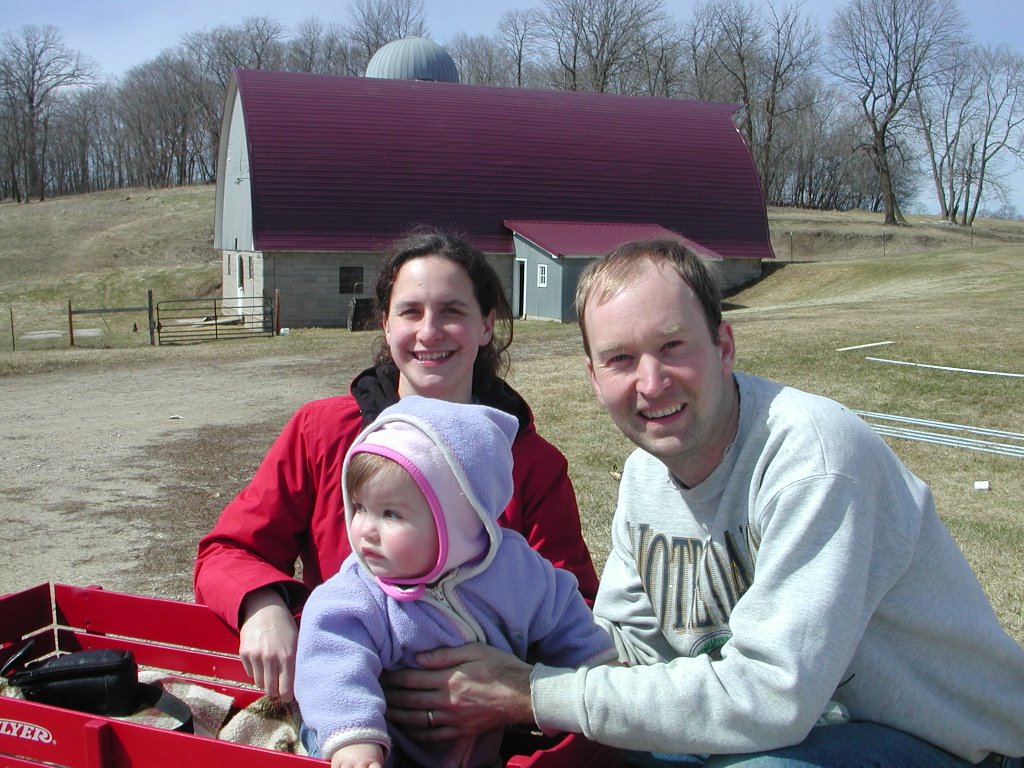
Above you can see we have another set of hands at Lida Farm. Will is now 6 months old, and, although he loves going outside, I can't imagine he'll be pulling weeds anytime soon.

Thursday, August 17, 2006

New Pictures

Market menu for Saturday, August 19:
Watermelons: Sunshine (yellow variety) and Sugar Baby (regular)
Tomatoes: cherry tomatoes, romas, heirlooms, and regular beefsteak varieties
Potatoes: Yukon Gold and Norland Red
Corn: Bodacious bi-color variety
Onions: yellow, sweet, red
Peppers
Beets
Garlic
Leeks
Some yellow beans...
Flower Bouquets
Turnips
Radishes

My Uncle Duane was visiting our farm back in July and he lives for taking pictures! He lives in California and so it was great he could spend a couple of days with us. Some of his shots are below.

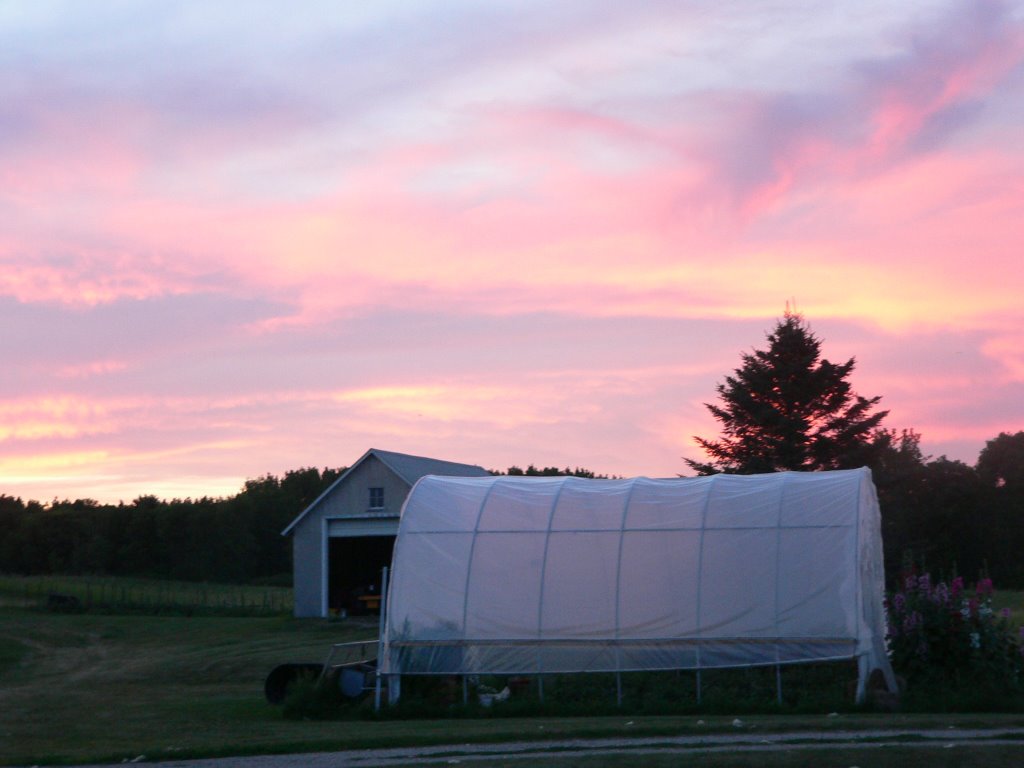
Sunset over Greenhouse looking North


Barn with pasture and thistles


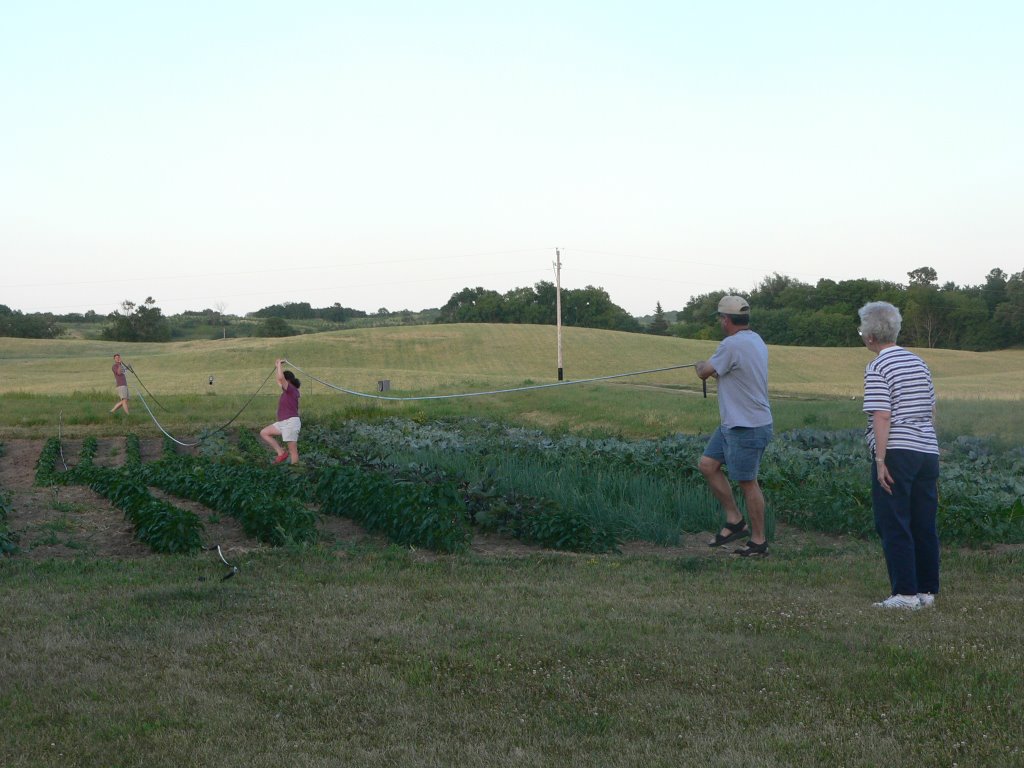
Moving drip irrigation lines...my dad helping, my grandmom supervising.


Setting up irrigation...a common sight in July

Thursday, July 27, 2006

July is a Trying Time

Staked Tomatoes
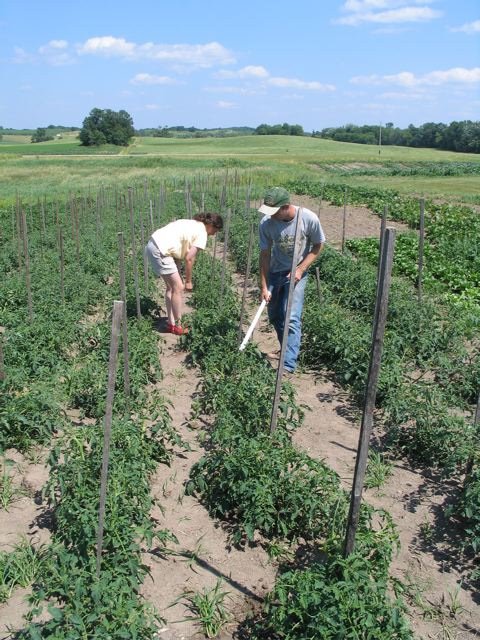
Although a field of 900 tomatoes plants all staked and in neat little rows is a beatiful sight...


Mar and I Staking Tomatoes

I think staking tomatoes used to be a medieval torture treatment. Basically you need to string 4 lines of twine along side of every tomato. You do this by extending a line under the foliage of the plants and tighten the line around each stake. And you try to do this without knocking off any little tomatoes or blossoms!


Striped Cucumber Beetle - most hated insect ever!
Enemy number one: Striped Cucumber Beetle. This guy is really making my July tough.

I've been battling this bug since early June, but it has really exploded since early July and is really insult to injury in our dry conditions.

They like anything in the cucurbit family which includes all melons, squash, and cucumbers. Right now they are eating all blossoms and crewing on the fruit of the plants, especially the zucchini.

I have been treating the plants with a substance called PyGanic, which is an organically-approved (OMRI) insecticide made out of Pyrethrin, a natural insecticide made from a plant.

Still the battle is not as successful as hoped. I am now tossing out about 1/3 of all summer squash due to insect damage. So, if you see some little pock marks on a zucchini, sqush, or melon throughout the season, you now know the culprit. But don't worry, it's only cosmetic.

Saturday's Market Menu:
Red Potatoes (new)
Cherry Tomatoes
Red and Sweet Onions
GreenBeans
More Zinnia Bouquets
Mini Bok Choy (new)
Cucumbers
Garlic
Summer Squash
A few Eggplants

Tuesday, July 18, 2006

History of Pesch Farm and Produce

It seems kind of strange to write about the history of Pesch Farm and Produce since there is so little of it, but I thought you'd like to know how we got here.

Cast of characters:
Me - Ryan
Mar - Maree, my wife
Sylvie - Sylvia, our daughter

We hightailed out of St. Paul and moved to our farm halfway between Pelican Rapids and Vergas two years ago. I'm originally from East Grand Forks and Mar's from Lake Elmo, so we lucked out in landing halfway between both our families.

So how did you get into vegetable farming?
Some 6 years ago I was a kid out of college living in St. Paul. After a stint in a law office shuffling papers and realizing just how boring the real world of employment actually is, I decided to make a sharp left turn and find an apprenticeship on one of the many local organic farms in the "vegetable belt" around the twin cities. I ended up working for Paul and Chris Burkhouse of Foxtail Farm for two seasons before Mar and I got married. At Foxtail I learned all there was to managing a produce farm and CSA (community supported agriculture).
In 2002 Mar and I did a "dry run" on our own. We were tenants on her uncle's land in Lake Elmo and sold at the Northeast Minneapolis Farmers Market. Also at the same time I worked at Mississippi Market Food Co-op in St. Paul as a greengrocer, a job I had until we moved up to Otter Tail County.
So, for us, being able to afford a small farm and actually start up our own place is a dream come turn. It's been a long road, but we're happy to be here.
OK, Ryan, thanks for the history, but I just want to know what you're bringing to market on Saturday...
Cucumbers (new)
Eggplant (new)
Pickling cucumbers
Summer squash: zucchini, crocked-neck, sunburst (new)
Green onions (last week for season)
Broccoli
Green beans
Garlic
Sweet Onions
Zinnias
Maybe potatoes...

Tuesday, June 13, 2006

Have you ever built a greenhouse?

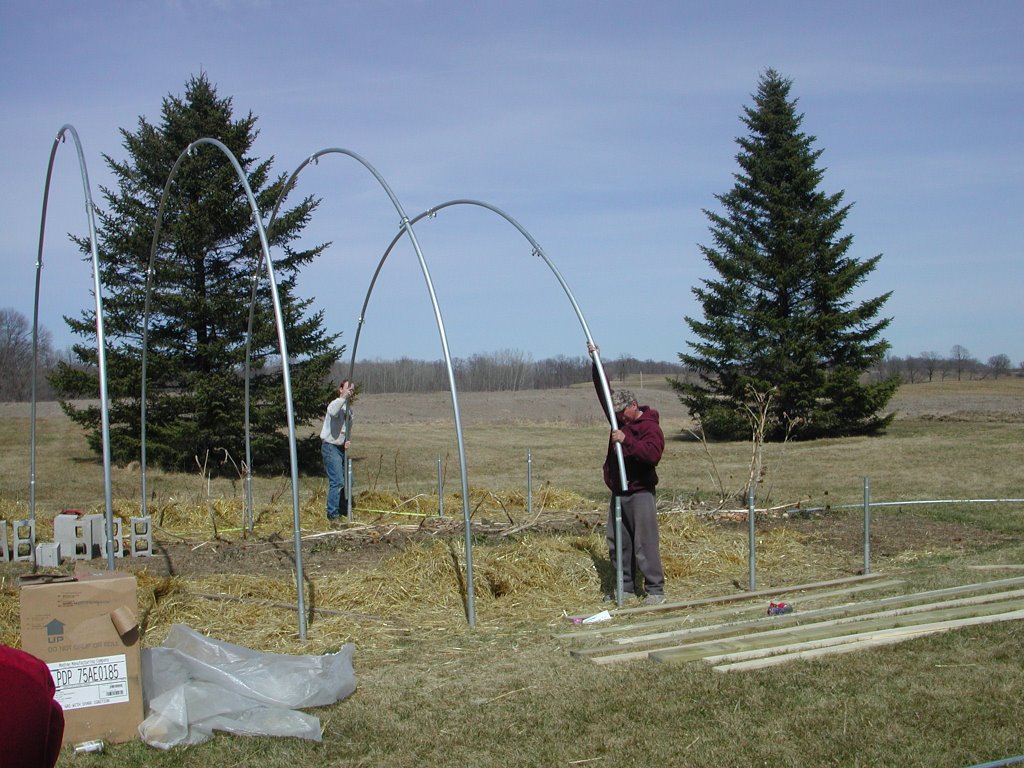
Installing hoops for the main frame
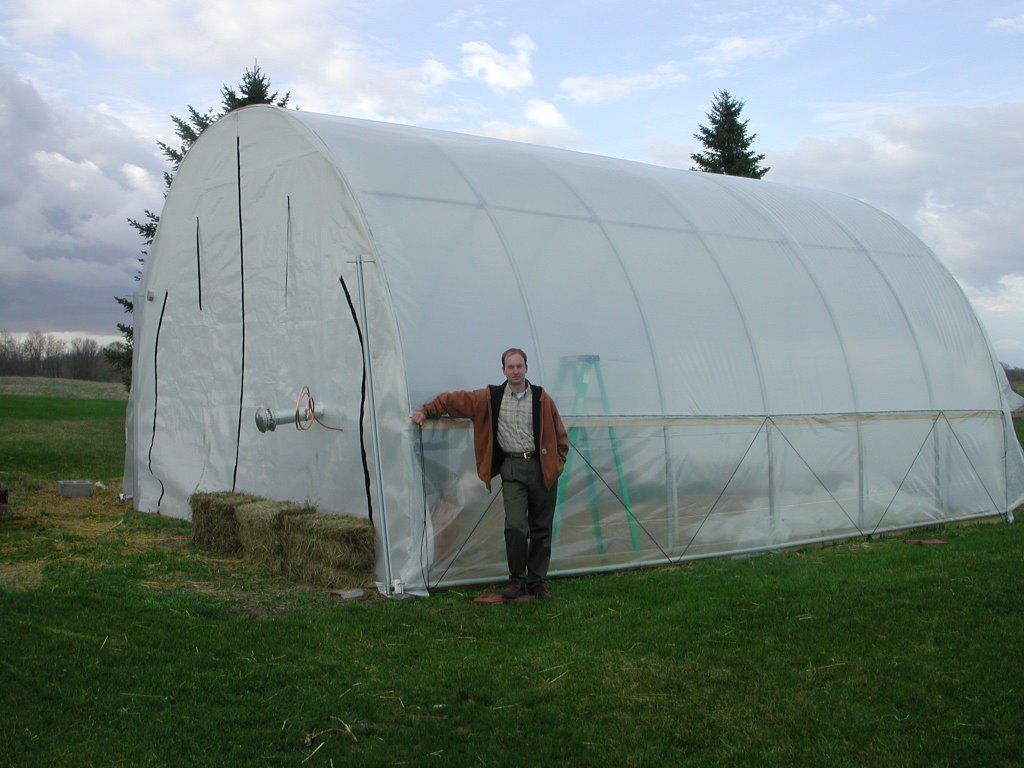
Greenhouses are great for growing produce. They protect the plants, decrease disease, and increase yields. Really no market gardener should be without one.

Last year I built this mickey-mouse 10X10 greenhouse out of PVC pipe to start transplants. It swayed in the wind and basically collapsed by the end of the season--two nights last summer I was out with a roll of duct tape at 3 am just to hold it together.

So, I sunk everything I earned last year at the market into a solid greenhouse...actually a "high tunnel" with a double layer of plastic for extra insulation. Most use high tunnels with a single layer and plant directly into the ground. I have a hybred of sorts, first starting my transplants on tables and planting directly into the ground when I've finally moved them into the field.

Have you ever built a greenhouse? It's a nightmare. I had helped put plastic on other greenhouses in my apprentice days, so I was estimating a good afternoon to do the job, maybe 4-5 hours. Problem is, putting the plastic on is the easiest part of greenhouse construction...we were in for the duration.

Putting on sidewalls
My big learning about building greenhouses... it's all in the framing! Building requires many holes and screws, which takes a lot of time. It also takes a lot of balance when you are atop a ladder which is in a trailer in a 20 mile-an-hour wind!

All told, my 4-5 hour project took 18-20 hours and that's with the help of parents who invested their whole weekend. Who could ask for better parents?


Finished
We've certainly had our stops and starts getting the greenhouse working for the season--it was filled with propane one day when high winds made the sidewalls flap so much that the propane line was pulled out...I'm glad I don't smoke.

Now that it's done, it's not going anywhere in my lifetime. It's currently filled with Gourmet (orange) and Labrador (yellow) peppers, eggplant, basil, and a couple rows of cherry tomatoes.

Friday, May 26, 2006

Cute! Spring Lambs.

For those of you not familiar with our flock, we bought two ewe lambs in fall 2004 to start things up after my fence-building period. We ended up going with "cafe names." The mostly white ewe is named Latte, whereas the mostly brown ewe is named Mocha--when we had a black steer with a few white splotches, we named him Macchiato, but he is no longer with us. Although they got to know a ram in their ewe lamb days, no pregnancy took.

Blackie/Schwartz/Lambchop?
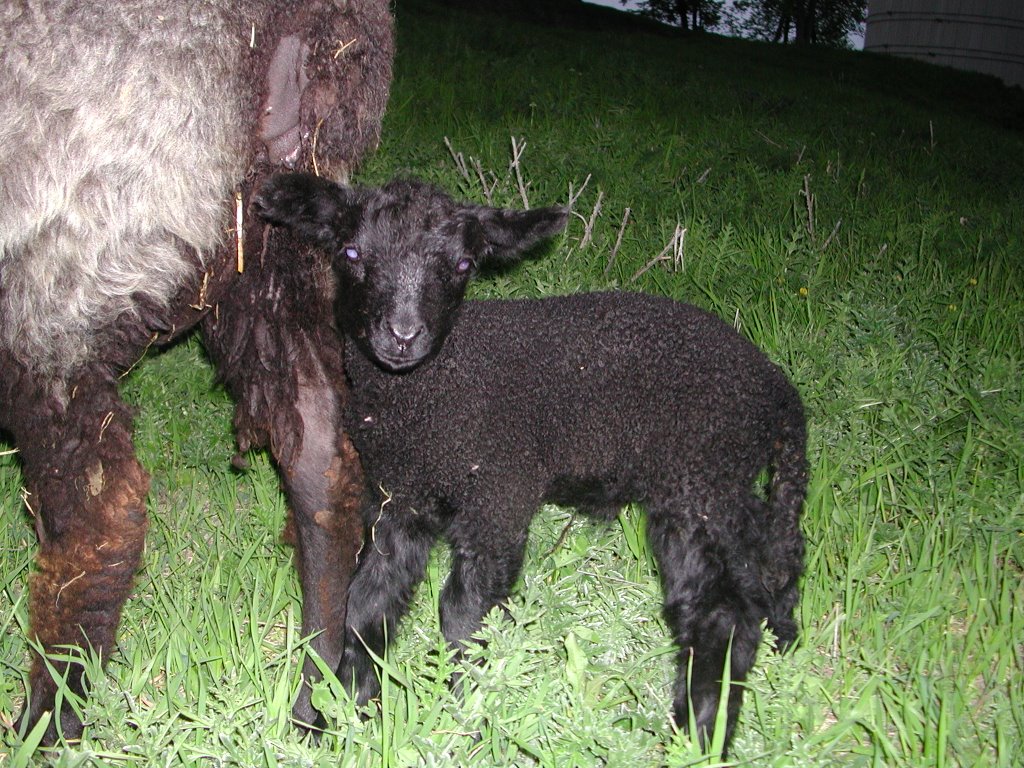
So, we were quite pleased when three lambs were born this spring after spending time with their "boyfriend" at our neighbor's farm. Latte gave birth to twin ewe lambs and Mocha gave us this weather lamb (left). We're a bit confused about his name right now. I call him blackie, my wife likes the Germanic Schwartz, although since he's destined for a short life, Lambchop makes sense.

For those of you not familiar with terminology, a weather is a castrated male sheep, whereas a non-castrated sheep is a ram. Blackie, here, is a lamb in process. He's been banded and will be offically a weather in a week or so.

Boo and Baa
Latte's two ewe lambs are named Boo and Baa, after the two lamb characters in a Norweigan boardbook of Sylvie's. The story is pretty stupid--these two lambs go boating together in the ocean--but we like the names, especially since they are a pair.

Boo and Baa came, oddly, at 4 in the afternoon in late April. From my experience (which is not great), most births come at night and early morning.

Paul and Chris Burkhouse of Foxtail Farm (Osceola, WI) have always kept of flock of 20-30 and showed me the ropes when I worked for them two seasons in 2000 and 2001. Because of this experience, I felt more familiar with sheep than other livestock, so it was only natural to start with sheep when we bought our farm. Also sheep are quite manageable and independant. Give them pasture and they'll do just fine.


Grazing

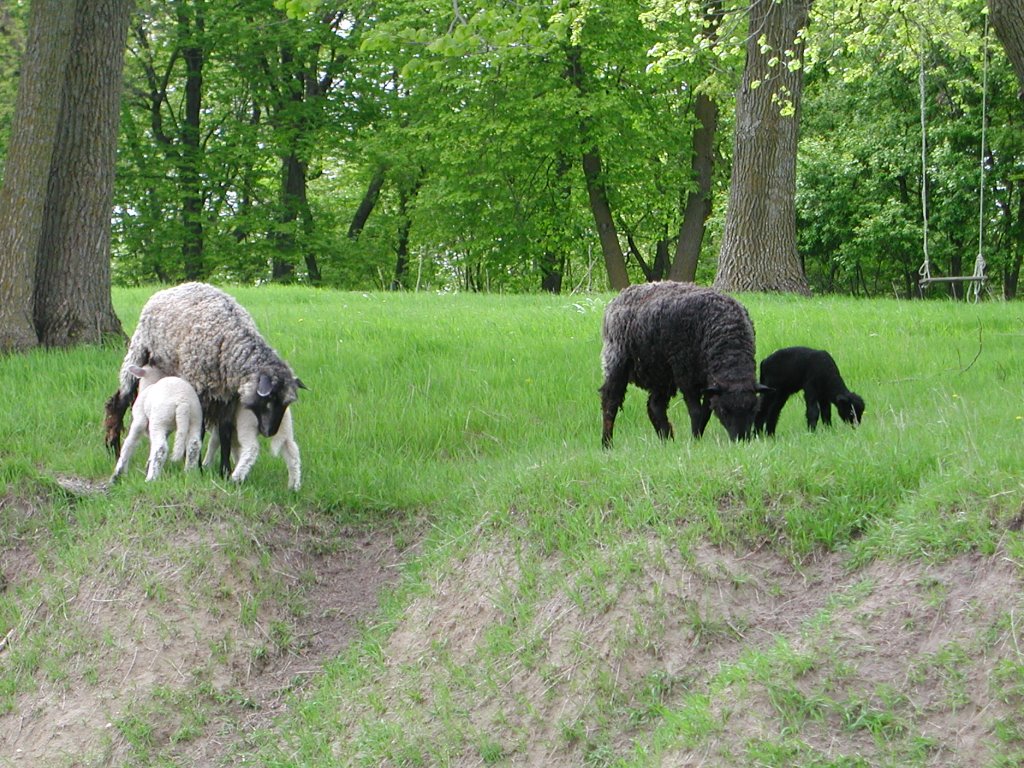
This picture illustrates the life of a sheep quite well. The ewe's graze from dawn til dusk and the lambs abuse their mothers' udders and nurse between romping around the countryside.

We have only one fenced pasture and it sits behind our barn. The area was previouly mowed, but this didn't make sense to me. I figured we'd save the gas and time and let the sheep do the mowing.

The fence was the first project I did when we moved here in summer 2004. If you're in the produce business, you need livestock of some sort. Manure doesn't grow on trees (that's a strange saying, isn't it?) And places like the steep hill behind the barn should be pasture. You sure aren't going to till the ground!

Wednesday, May 17, 2006

Barn Again


We've only been residents of Lida Township for two years now, buying our farm from Kenny and Margaret Kratzke in June 2004.

But since that time I've been losing sleep everytime it rained, envisioning those holes in our old wood-shake roof getting larger and larger and the wood getting weaker and weaker until the whole barn becomes a pile of rotted lumber. Barns are too valuable to let go, especially if you have a use like we do: housing animals and equipment, storing Marvin's hay in the loft, possible future use as a packing shed for produce...

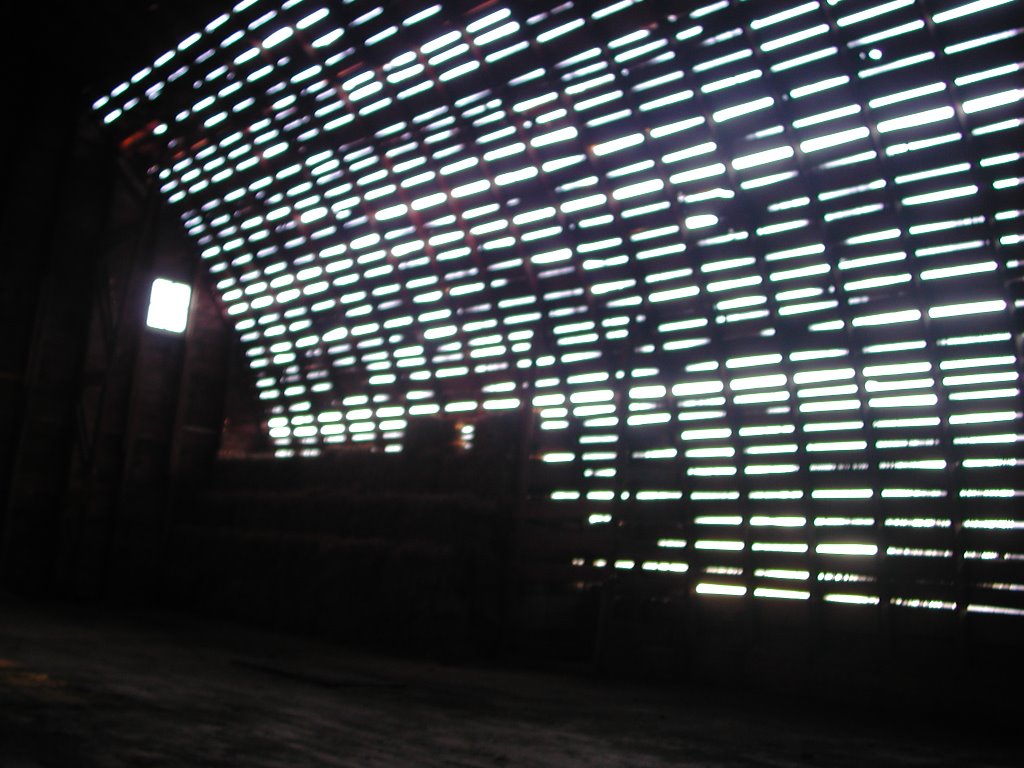
We always knew we needed a new roof when you saw light pouring into the loft. After the shakes were taken down, lots of light poured in as you see.

In process...


Almost there....

Eli and his crew are from Wadena County off to our east in central MN and have no fear of heights. Let me tell you, I could never work this high off terra firma. I guess that's why I would never consider roofing a hip-roof barn 40 to 60 feet high.

All told, it took a crew of 3-8 workmen to tear off the old wood shakes and put on new steel 3 full working days to complete.

And the finished product?

All told, I'm sleeping better this spring, although there are a few leaks Eli needs to repair and I've found new worries to fret about.

Next week...greenhouse construction. And you thought it would be easy?